One of the first questions homeowners ask is also one of the hardest to answer simply: how long will this take? When you are planning a custom home in Colorado, the timeline depends on far more than square footage. Land conditions, design complexity, permitting, selections, financing, weather, and construction sequencing all shape the path from first conversation to move-in.
A luxury custom home is not a fast-moving process. It is a series of connected decisions, and each decision affects the next one. The right process gives those decisions room to breathe, without leaving you guessing where things stand.
Jackson Design Build approaches that process with long-standing Denver-area construction experience and a client-centered mindset. The goal is not to rush you through design and construction. The goal is to help you understand what needs to happen, why it matters, and how each step protects the home you want to live in for years.

What Shapes the Timeline for a Custom Home in Colorado?
The timeline begins with the home’s complexity. A house on a flat city lot is different from a mountain-adjacent property, an acreage site, or a Denver urban infill project with zoning and access constraints.
Colorado also adds its own design and construction realities. Snow, wind, high sun exposure, sloped lots, drainage, soil conditions, wildfire-conscious material decisions, water efficiency, and energy performance can all affect planning. These details may sound technical, but they show up in daily life as better comfort, safer access, more durable materials, and fewer avoidable surprises.
That is why a thoughtful custom home building timeline should not begin with a calendar alone. It should begin with scope, site conditions, budget alignment, and a clear understanding of what the home needs to accomplish.
The First Step: Listening Before Drawing
The design process starts with listening. During the first meeting, you should be able to explain what you want in the home, how you live, what your priorities are, and what problems the home needs to solve.
This is where Jackson Design Build’s process begins with detailed questions, notes, and early observations. Photographs, measurements, site context, and lifestyle goals may all become part of the conversation. The purpose is simple: before anyone starts drawing, the builder needs to understand the life the home is meant to support.
This early phase also helps clarify whether the project is the right fit. Jackson Design Build focuses on custom homes and substantial full-home renovations, not small flips or minor lived-in remodels. That focus matters because large-scale custom homes require a higher level of coordination across design, budgeting, permitting, and construction execution.
A strong custom home design process in Colorado gives you a clear foundation before the home takes shape on paper. It turns ideas into priorities, and priorities into a more disciplined plan.
Describing the Scope Clearly
After the first conversations, the project needs definition. This is where broad ideas become a more detailed scope of work.
You may start with inspiration photos, architectural preferences, room needs, outdoor living goals, energy interests, or long-term family considerations. The builder’s role is to help translate those ideas into practical project direction. Sketches, drawings, product samples, and early descriptions can help clarify what belongs in the home and what may not serve the larger goal.
This step matters because vague scope can create friction later. If you want a home that feels calm, luxurious, and well-resolved, the work behind it needs to be specific. A covered outdoor area, for example, is not just a design feature. It may affect structure, rooflines, drainage, lighting, heating, views, and how you move between indoor and outdoor spaces.
Estimating With the Whole Project in Mind
Once the scope is clearer, the project can move toward a more informed estimate. This is not just about assigning a number to a house. It is about understanding the scale, sequence, timeline factors, and major cost drivers before deeper design work continues.
At Jackson Design Build, this stage leads into a Design Proposal and Agreement. The design agreement allows the team to keep developing the project with more detail and purpose. It also reflects an important truth about custom homes: design and construction should not be treated like separate worlds.
Your custom home building timeline can shift when major decisions remain unresolved too long. Structural direction, exterior materials, window packages, energy goals, site work, and finish expectations all influence the larger plan. When these decisions are evaluated early, you gain a more realistic view of the road ahead.
This is also where cost-plus transparency supports trust. When financial decisions remain visible, you can better understand where your investment goes and how planning choices affect the final home.
Creating the Construction Documents Package
The construction documents package turns the design into the technical information needed for permitting, pricing, and building. The exact documents vary by project and jurisdiction, which is one reason no responsible builder should promise the same timeline for every custom home.
A home in Denver may face different review conditions than a property in Castle Pines, Parker, or an acreage site outside the city. Building departments, zoning requirements, engineering needs, utility coordination, and site access can all affect the path forward.
The construction documents package also helps reduce uncertainty. It gives the builder, trade partners, lenders, and permitting authorities a clearer understanding of what will be built. That clarity supports better planning before construction begins, which protects both the project and your peace of mind.
A strong custom home design process in Colorado brings these details forward before they become obstacles. The more complete the documents are, the more confidently the construction phase can move.
Permitting, Financing, and Final Selections
Before construction begins, financing and permitting need to align. If construction financing is part of the project, it should be coordinated with the approved scope and project documents. Once financing is in place, the permitting process can move forward based on the construction documents package.
While permits are under review, the project does not simply pause. This can be the right time to finalize important finish selections, visit showrooms, confirm long lead-time products, and coordinate trade availability. These decisions affect how the home will look, feel, and perform once construction begins.
This is where process becomes a premium feature. A well-managed team keeps the project moving through decisions that often happen behind the scenes. You may be choosing finishes, but those selections connect to ordering, scheduling, installation, maintenance, and long-term livability.
Construction Is Where Planning Becomes Visible
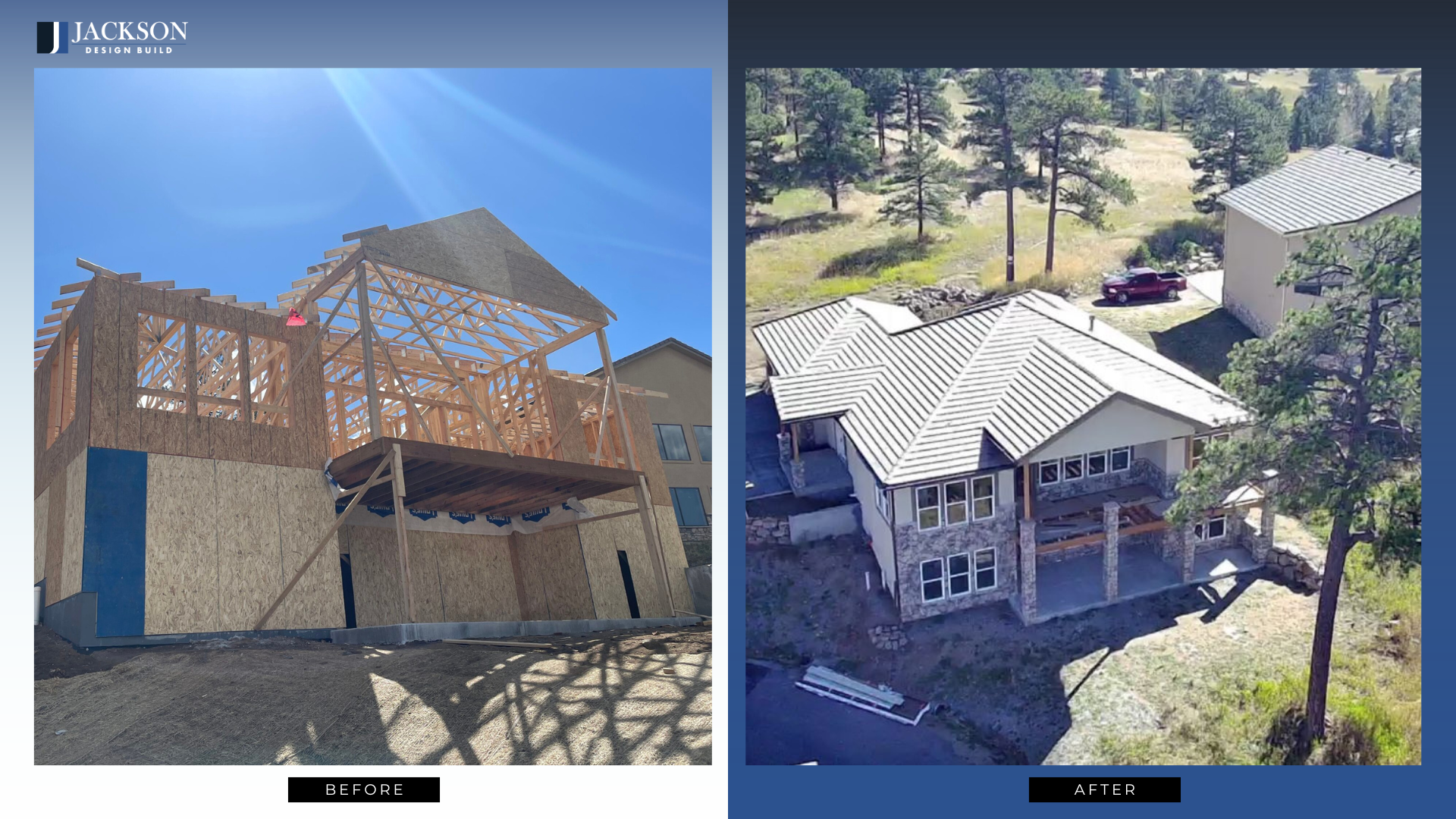
Once permits are released, construction can begin. This is when the planning behind the home starts turning into something you can walk through, touch, and experience.
During construction, Jackson Design Build continues refining details, coordinating trades, updating cost and timeline expectations, and helping clients stay connected through BuilderTrend. Client involvement matters. Informed homeowners make better decisions, and the best homes are built with homeowners, not just for them.
A realistic custom home building timeline should account for active communication. Questions, selections, inspections, trade coordination, weather, materials, and site conditions all influence progress. Strong communication does not remove every variable, but it helps you understand what is happening and why.
That clarity changes the experience. Instead of feeling separated from the project, you can see how each decision supports the larger home.
Final-Out, Move-In, and the Life After Construction
Move-in should not feel like the builder disappears. Jackson Design Build completes the home before move-in, then gives homeowners space to settle in. After that, the team begins one-month, six-month, and one-year warranty follow-up visits to support the 2-10 HBW warranty process.
That follow-up reflects a larger belief: the home is not the finish line. It is the foundation for everything that comes next.
A well-designed home should support daily routines, family changes, guests, aging in place, energy goals, and long-term comfort. The custom home design process in Colorado should consider those needs early, because the best choices continue serving you long after construction ends.
Plan the Path Before the First Shovel
At Jackson Design Build, we help clients understand what it takes to design and build a custom home in Colorado with clarity, patience, and confidence. We bring long-standing craftsmanship, cost-plus transparency, detailed planning, and a collaborative process to every major decision.
If you are ready to begin planning, we can help you move from early ideas to a thoughtful path forward. Contact Jackson Design Build to start a conversation about the home you want to build beyond the blueprint.